


Choosing between timber and uPVC windows is not always as straightforward as deciding which material is “best”
Drawing on our experience of specifying and installing windows for a wide range of homes, in this guide we share the points we believe are most helpful to consider, from appearance, cost and maintenance, to lifespan, energy efficiency, sustainability and suitability for period properties. We will also look at a recent project that demonstrates how timber and uPVC can complement each other so successfully that it may be difficult to tell them apart.
The right choice depends on your property, its architectural character, your budget, your priorities and how much ongoing maintenance you are comfortable with.
In some cases, the best solution may not be to choose one material for every opening. A carefully planned combination of timber and high quality uPVC can provide the appearance, performance and practicality that each part of the property requires.
One of our recent customers chose exactly this approach, combining uPVC windows with timber doors.
By specifying complementary designs and carefully colour matching the products, we created a consistent finish that makes it surprisingly difficult to distinguish between the two materials.
Can You Tell Which Is Timber and Which Is uPVC?
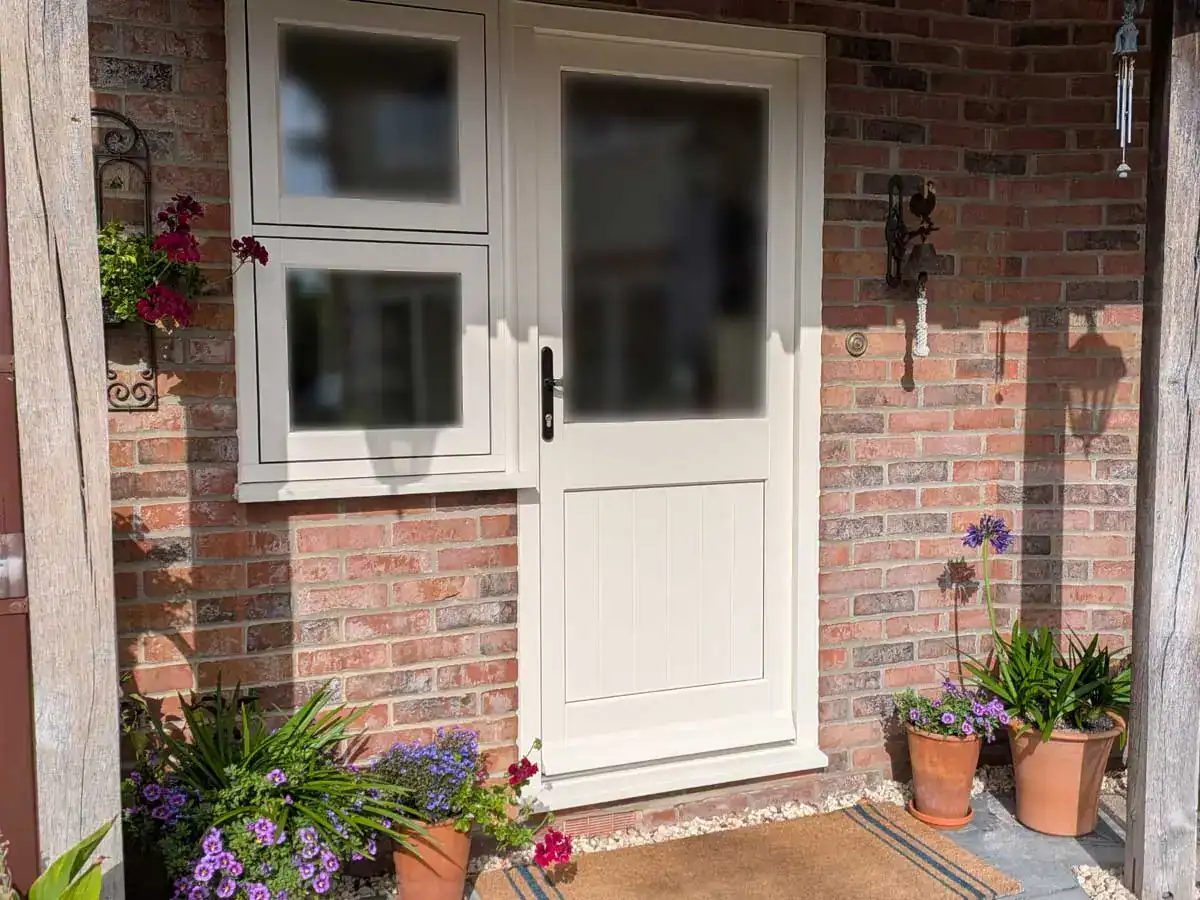
Take a close look at the photograph. It shows two products installed on the same property, one made from timber and the other from uPVC.
Can you tell which product is timber and which is uPVC?
We will reveal the answer at the end!
Before then, we will look at the differences between timber and uPVC windows, including
- their appearance
- cost
- maintenance
- lifespan
- energy efficiency
- and environmental considerations.
We will also explain why the right answer is not necessarily the same for every home, or even for every opening within the same home.
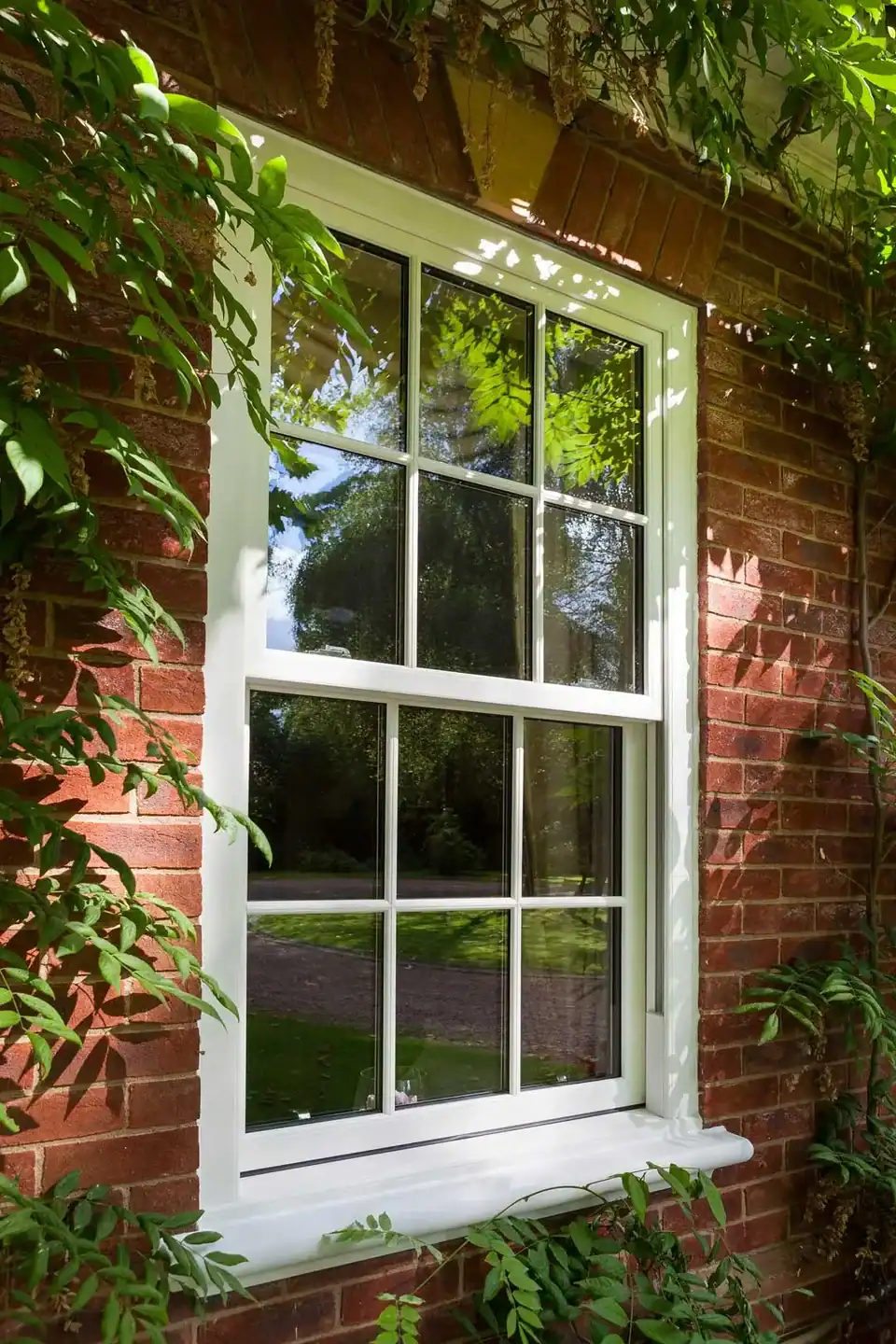
A Timber Alternative Sash uPVC Window
What Is the Difference Between Timber and uPVC Windows?
The most obvious difference is the frame material.
Timber windows are made using natural wood and have long been associated with traditional craftsmanship, individual character and authentic detailing. They can be particularly well suited to period homes, listed buildings, conservation areas and properties where the proportions and appearance of the windows are an important part of the architecture.
uPVC windows are manufactured from unplasticised polyvinyl chloride. They are known for their low maintenance finish, thermal performance, weather resistance and relative affordability.
However, the quality and appearance of uPVC products can vary significantly.
Standard uPVC windows can sometimes have heavy frames, overly wide sections or modern looking details that do not sit comfortably within an older building. Carefully selected timber alternative windows are designed differently. They can incorporate more convincing proportions, detailing, finishes and opening styles, helping them complement traditional and character properties more successfully.

As a high end timber window and door company, we only offer uPVC alternatives that meet our expectations for appearance, construction and performance. Our experience of traditional windows and extensive knowledge of period properties help us recognise the proportions, details and finishes that allow new windows to sit naturally within a building’s architecture.
This expertise guides our choice of timber alternative products, combining an authentic appearance and carefully considered detailing with modern thermal efficiency, security and weather resistance.
“Not all uPVC windows are made to the same standard. We assess far more than thermal performance or security. We look closely at frame proportions, joints, glazing bars, finishes and hardware because these details determine whether a window will sit naturally within the architecture of a property. Our experience with traditional timber windows helps us identify uPVC alternatives that achieve the quality and authentic appearance we expect.”
Do You Have to Choose the Same Material Throughout Your Home?
No. Using a single material throughout a property can create consistency, but it is not the only way to achieve a cohesive result.
Different openings may have different practical and aesthetic requirements. For example, a homeowner may prefer uPVC windows because they require minimal routine maintenance, while choosing a timber entrance door for its natural character, construction, finish or suitability for a particular design.
The important point is that the products should be considered together rather than chosen in isolation.
Frame proportions, glazing arrangements, mouldings, ironmongery, sightlines and colours can all affect whether different products sit comfortably alongside one another. With careful specification, timber and uPVC products can complement each other extremely successfully.
That was the approach taken for the property featured in this article. The customer selected uPVC windows alongside timber doors, allowing each material to be used where it best suited their requirements.
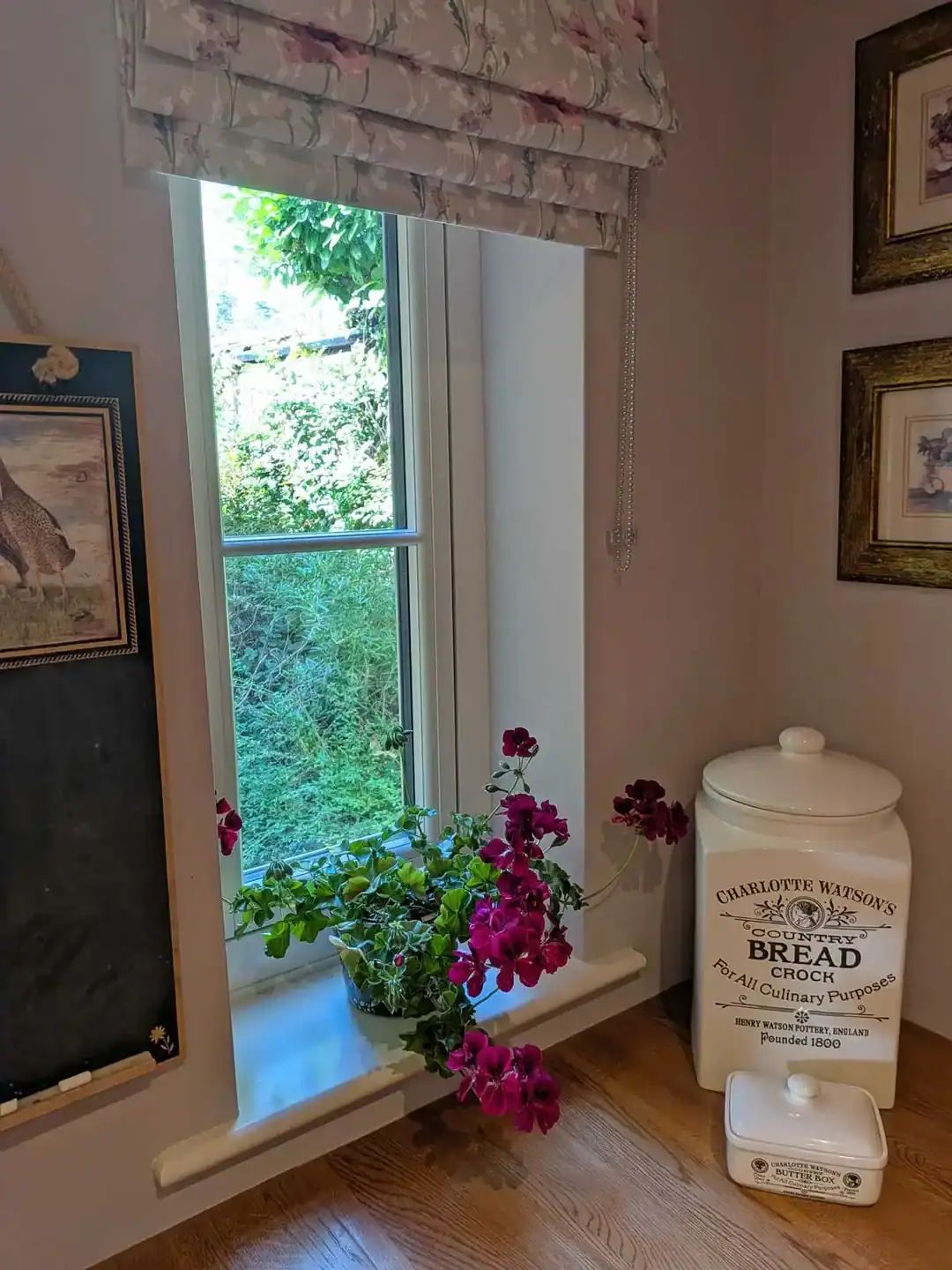
R7 Clotted Cream Casement Windows were selected alongside Timber Doors
“We primarily decided to go for uPVC because of the style and appearance of the Residence Flush Casement Windows. However the doors weren’t quite to our taste and so after visiting the Excell Showroom and chatting with them about our options, we opted for timber doors. We feel we got the best of both worlds as visually it blends in very well and people can’t tell the difference between the uPVC and wood.”
Timber vs uPVC Windows: Appearance
Appearance is often one of the most important considerations, especially for a traditional or period property.
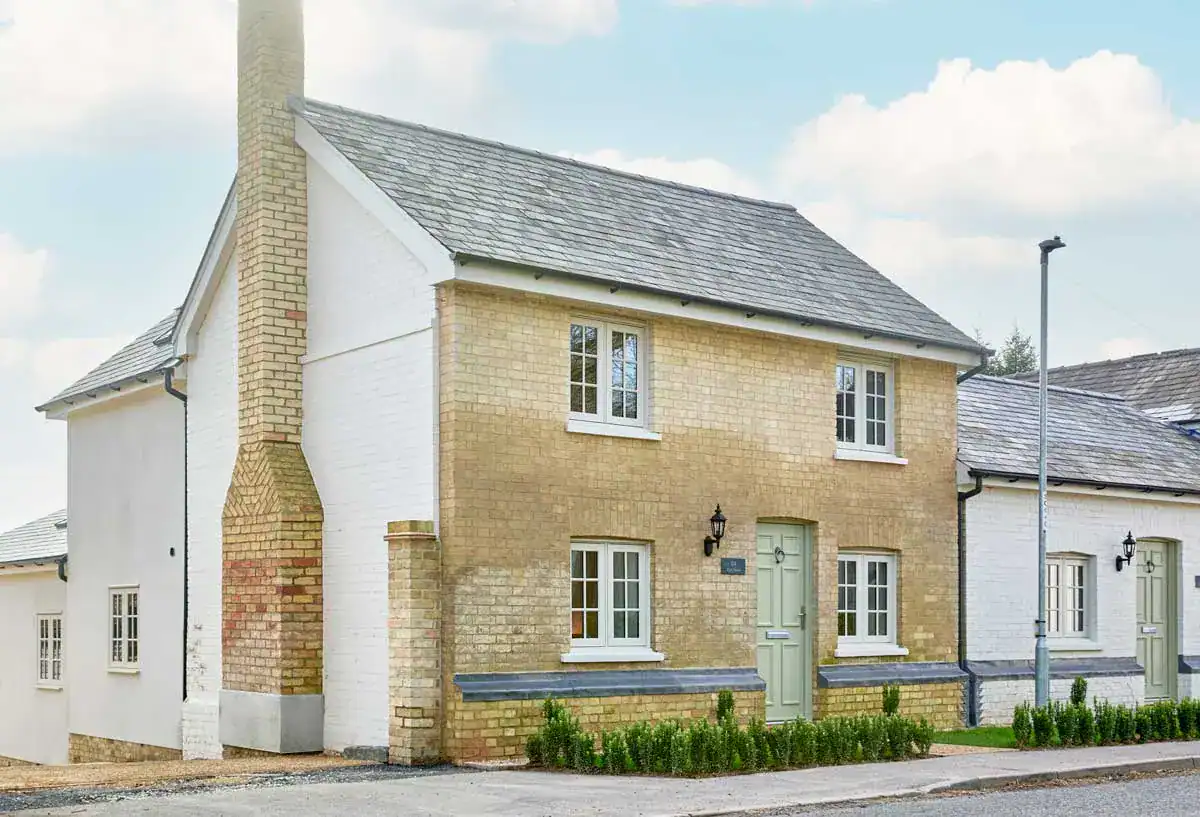
Timber Windows & Doors
The appearance of timber windows
Timber has a natural warmth and character that can be difficult to replicate. It can be crafted into traditional window styles with carefully considered mouldings, glazing bars, joints and proportions.
Timber can also be painted in a wide choice of colours, making it suitable for homeowners who want a traditional finish, a distinctive colour or a close match to existing architectural features.
Because timber components can be made to suit individual openings, it is often an excellent option where bespoke sizes, unusual shapes or historically appropriate details are required.
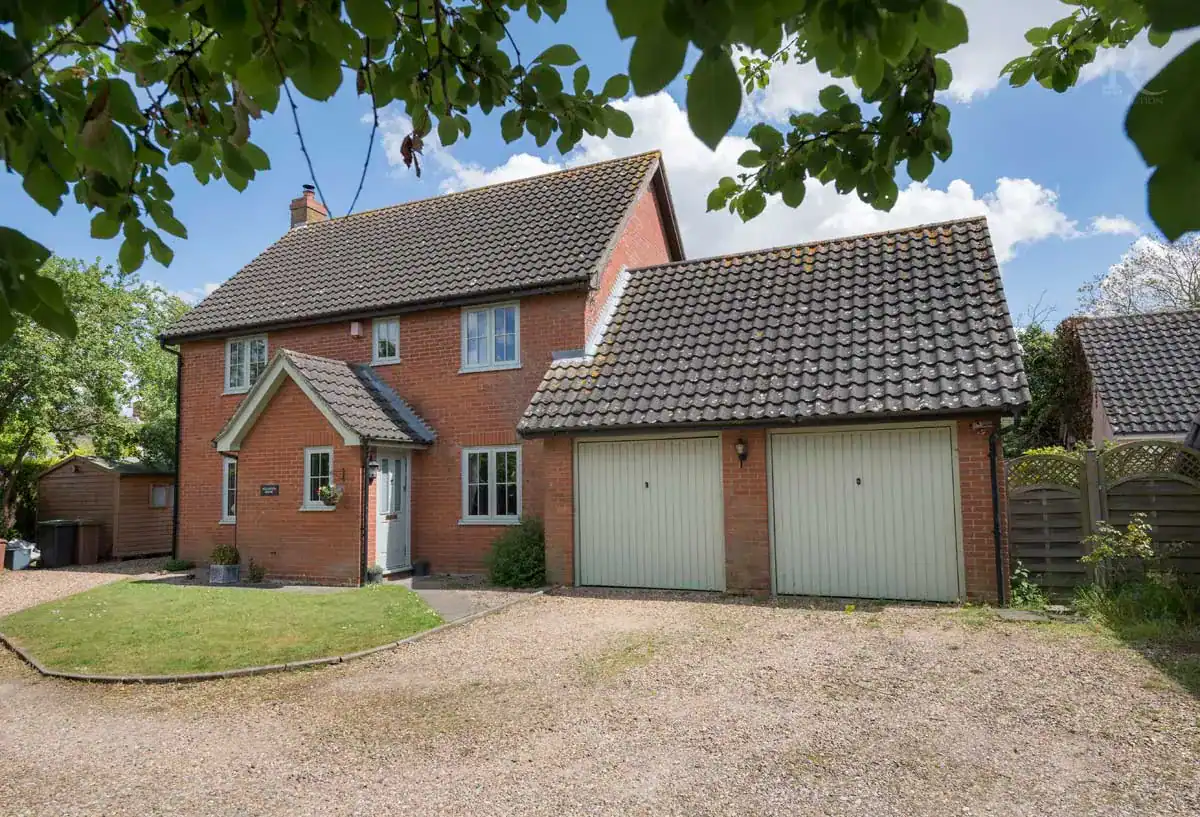
Residence uPVC Windows & Doors
The appearance of high quality uPVC windows
Modern timber alternative windows can offer a much more convincing appearance than many homeowners expect.
The best products are not simply standard uPVC windows with a wood-effect finish. Their proportions, joints, glazing bars, hardware and frame details are designed to create a more traditional appearance.
Selecting the right product is essential. Poorly proportioned frames or inappropriate details may alter the character of a building, even if the windows perform well technically.
Our background in timber windows gives us a particularly useful perspective when evaluating uPVC alternatives. We know which details make a traditional window look balanced and authentic, and we apply that experience when recommending a uPVC option.
Timber vs uPVC Windows: Cost
uPVC windows will generally have a lower initial cost than comparable bespoke timber windows. This can make them attractive when several windows need to be replaced at once or when the available budget needs to cover other parts of a renovation.
Timber usually represents a higher initial investment. Its cost reflects factors such as the chosen timber, manufacturing process, level of craftsmanship, finish, design complexity and degree of customisation.
Initial price should not be the only consideration, however. A fair comparison should also take account of:
- The expected service life of the product
- The quality of its construction
- Whether individual components can be maintained or repaired
- The cost and frequency of redecoration
- The suitability of the product for the property
- The effect on the building’s appearance
- The specification of the glazing, hardware and security
- The quality of the installation
A less expensive window may be the most appropriate choice for one property, while a more bespoke timber solution may represent better long term value for another.
We do not believe in recommending timber simply because it is our specialist field. Our role is to help customers understand where investing in timber will make a meaningful difference and where a carefully chosen uPVC alternative may satisfy their priorities more effectively.
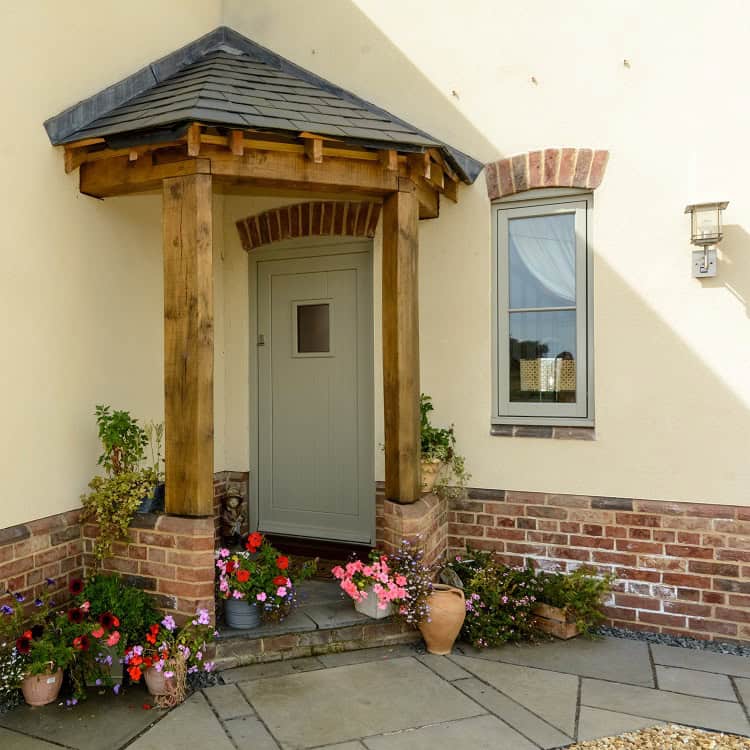
A Timber Casement Window and Timber Front Door in a traditionally styled new build
Timber vs uPVC Windows: Maintenance
Maintenance is one of the clearest practical differences between the two materials.
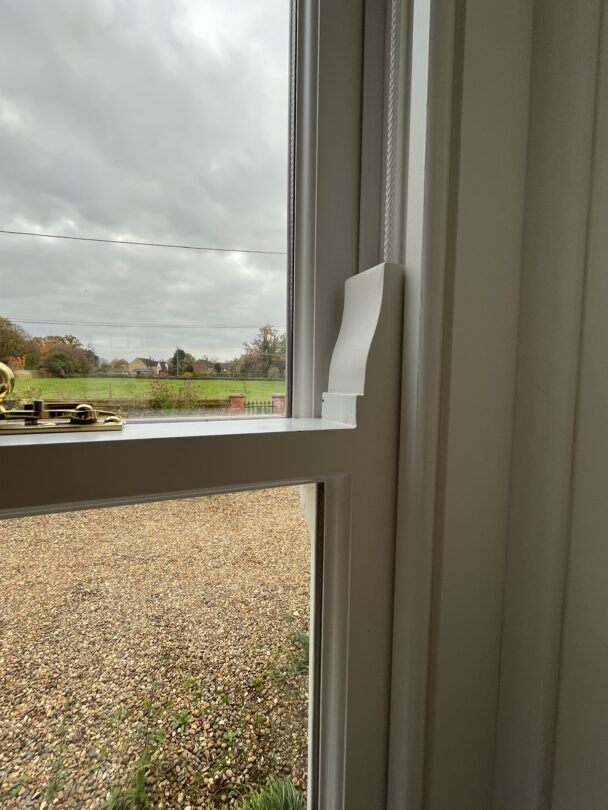
Maintaining timber windows
Modern timber windows benefit from improved manufacturing methods, protective coatings and factory applied finishes. Nevertheless, timber is a natural material and requires periodic inspection and maintenance.
The precise maintenance schedule will depend on factors including the finish, colour, exposure and location of the window. South-facing elevations, coastal conditions and openings exposed to persistent weather may require attention sooner than more sheltered areas.
Routine care may include:
- Cleaning the frames and drainage areas
- Inspecting painted or stained surfaces
- Checking joints, seals and glazing
- Addressing minor damage before moisture can enter
- Recoating the finish when required
- Maintaining hardware and moving parts
When properly maintained, timber can provide a long service life. It can also often be repaired locally, which may allow damaged sections or finishes to be addressed without replacing the entire window.
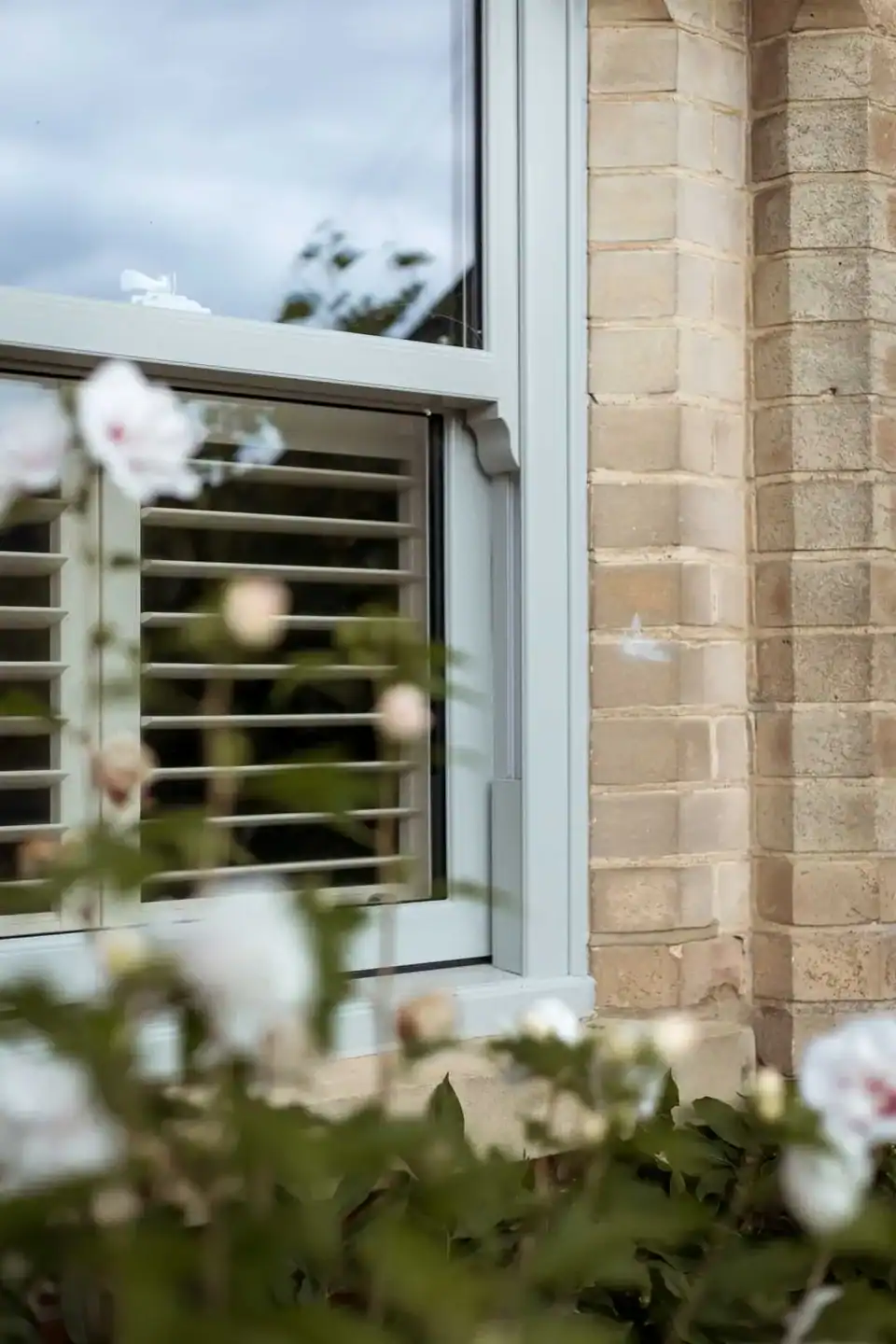
Maintaining high quality uPVC windows
uPVC requires less routine maintenance. Frames can normally be cleaned using an appropriate mild cleaning solution, while hinges, locks, drainage paths and other moving components should still be inspected and maintained.
Although the frame does not need repainting in the same way as timber, a uPVC window is not completely maintenance free. Sealed glazing units, gaskets, handles, hinges and locking mechanisms may all require attention during the life of the product.
For homeowners whose main priority is reducing external redecoration, uPVC may offer a practical advantage.
“Since the installation we haven’t found the timber doors have required any extra maintenance than the windows. Excell provided a product for us to use on our doors to maintain their finish which we have only had to apply once a year. Nearly 2 years on and everything still looks like new!”
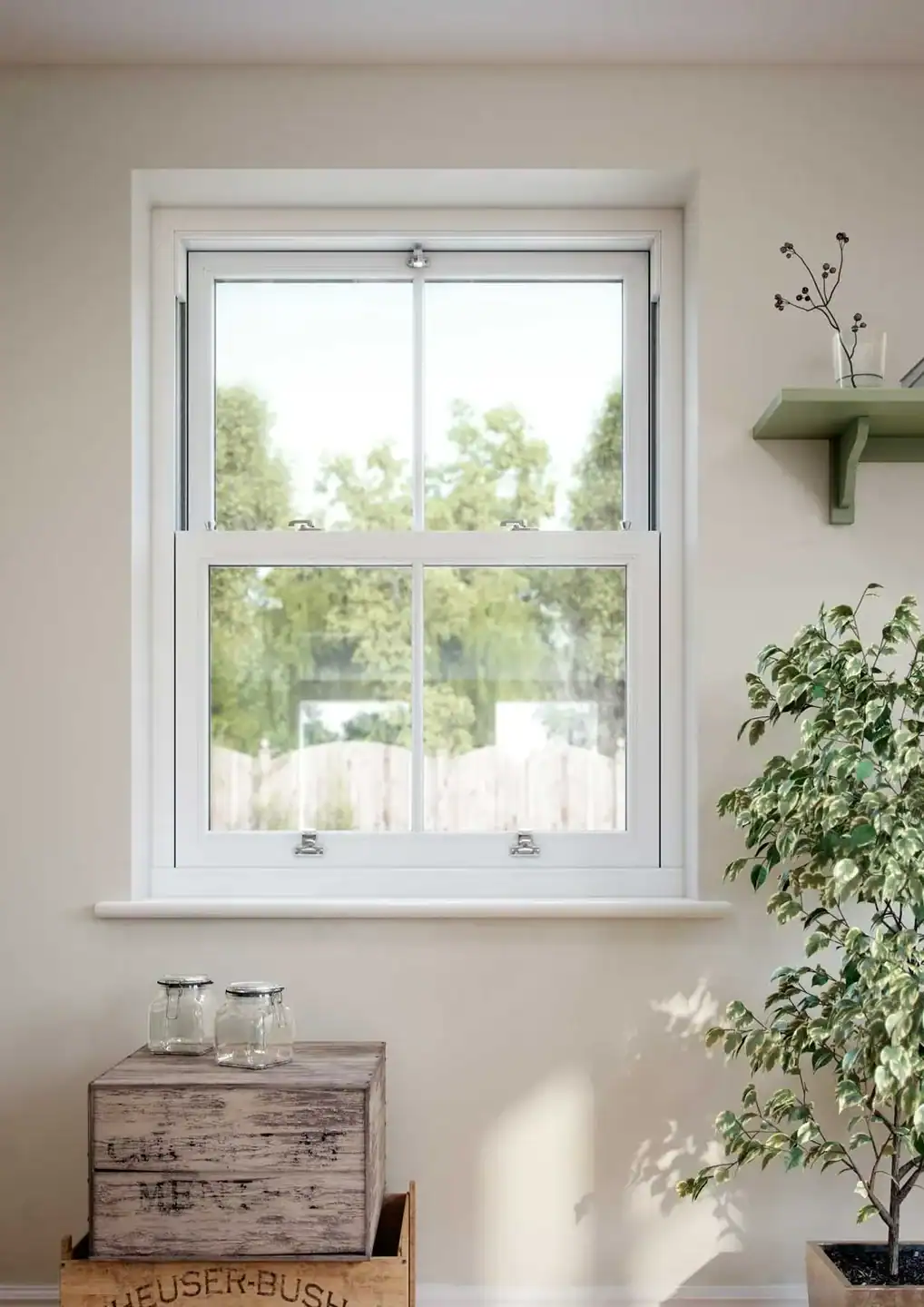
A Legacy uPVC Sash Window
Timber vs uPVC Windows: Lifespan
A window’s lifespan depends on much more than its frame material.
Product quality, installation, exposure, maintenance and the ability to repair or replace components can all affect how long a window remains serviceable.
A well made and properly maintained timber window has the potential to provide a very long service life. Timber can often be redecorated and repaired, allowing localised deterioration to be addressed before it affects the complete window.
uPVC requires less maintenance but may offer fewer options for repairing the frame itself if it becomes significantly damaged, distorted or discoloured. Hardware, glazing units and seals can often be serviced or replaced, subject to the product design and the availability of compatible components.
For both materials, installation quality is particularly important. Even a high quality window may underperform if it is incorrectly surveyed, poorly fitted or inadequately sealed around the opening.
Rather than relying on a single lifespan figure, we recommend considering:
- The manufacturer and product system
- The quality of the frame construction
- The glazing specification
- The hardware and security components
- The installation method
- The property’s location and exposure
- The required maintenance
- The availability of replacement parts
- Whether the frame can be repaired
These factors provide a more useful indication of long-term value than the material name alone.
“Homeowners often ask whether timber or uPVC is more energy efficient, but the material is only one part of the answer. The glazing, seals, frame construction and installation all contribute to the performance of the finished window. We consider these elements together so that we can recommend the most appropriate specification for the home.”
Are Timber or uPVC Windows More Energy Efficient?
Both modern timber and uPVC windows can provide excellent thermal performance when they are correctly designed, glazed and installed.
The energy efficiency of a complete window is influenced by several elements:
- The frame construction
- The glazing specification
- The width and type of glazing cavity
- The use of low-emissivity glass
- The spacer bar
- The gas used within the sealed glazing unit
- The quality and number of seals
- The opening style
- The accuracy of manufacture
- The quality of installation
The frame material is therefore only one part of the comparison.
Timber is a naturally insulating material. Modern timber window systems can combine this natural property with high performance double or triple glazing, effective seals and carefully engineered construction.
Modern uPVC frames use multiple internal chambers to reduce heat transfer. When combined with appropriate glazing and professional installation, they can also achieve strong thermal performance.
A like-for-like comparison should consider the declared whole-window U-value or Window Energy Rating, rather than comparing frame materials in general terms. The glass alone does not represent the performance of the complete window.
The best specification will also depend on the property. For example, improving airtightness in an older home may make appropriate ventilation increasingly important. Window performance should therefore be considered as part of the wider building rather than treated as an isolated figure.

A Timber Sash Window
Which Is More Sustainable: Timber or uPVC?
Sustainability is a complex comparison, and it should not be reduced to a single claim about either material.
Responsibly sourced timber is renewable and can store carbon while it remains in use. Its ability to be maintained and repaired may also support a long service life, reducing the need for complete replacement.
However, the environmental performance of a timber window will depend on issues such as:
- The source and species of timber
- Responsible forestry certification
- Manufacturing and transport
- Paints, stains and protective treatments
- Maintenance over the window’s lifetime
- Expected service life
- Repairability
- End-of-life reuse or disposal
uPVC is not a natural or renewable material, but good quality uPVC window systems can incorporate recycled content and may be recyclable through appropriate collection and processing systems.
Its environmental impact will depend on:
- The quality and expected lifespan of the product
- Its recycled content
- The energy used in manufacture
- Transportation
- The potential to replace components
- The availability of an appropriate recycling route
- What happens to the product at the end of its useful life
Longevity is central to either choice. A well specified product that performs effectively, is maintained correctly and remains in place for many years is generally preferable to one that needs premature replacement.
For homeowners considering sustainability, we recommend discussing the complete product specification and its expected service life rather than relying solely on broad assumptions about the frame material.
Which Windows Are Best for Period Properties?
Period properties require particular care because windows contribute significantly to their proportions, rhythm and architectural character.
The wrong frame dimensions, glazing pattern or opening style can change the appearance of an elevation, even if the replacement windows are technically efficient.
Important details may include:
- The position of the window within the opening
- The width and depth of the frame
- The arrangement of fixed and opening sections
- The dimensions of glazing bars
- Meeting-rail proportions
- Sash horns and other period details
- Traditional mouldings
- The reflectivity and appearance of the glass
- Hardware style and finish
- External cills and surrounding masonry details
- The relationship between windows, doors and the wider façade
Timber may be the most appropriate choice where authentic materials, bespoke detailing or traditional construction are required. This can be especially relevant for listed buildings and properties where historic fabric or architectural significance needs to be preserved.
A high quality timber alternative window may be suitable for some unlisted period and character homes, particularly where the homeowner wants a lower maintenance product. Success depends on selecting a system with appropriate proportions and details rather than fitting a generic modern window into a traditional opening.
If a property is listed or located within a conservation area, the relevant planning requirements should be checked before replacement work begins. Requirements can vary depending on the building, location, local authority, Article 4 directions and the nature of the proposed changes. The fact that a window resembles timber does not automatically mean it will be acceptable in every protected building or area.
Our extensive experience with period properties allows us to consider more than the product specification. We assess the architecture, existing openings, surrounding materials and visual balance of the building before recommending a window style or frame material.
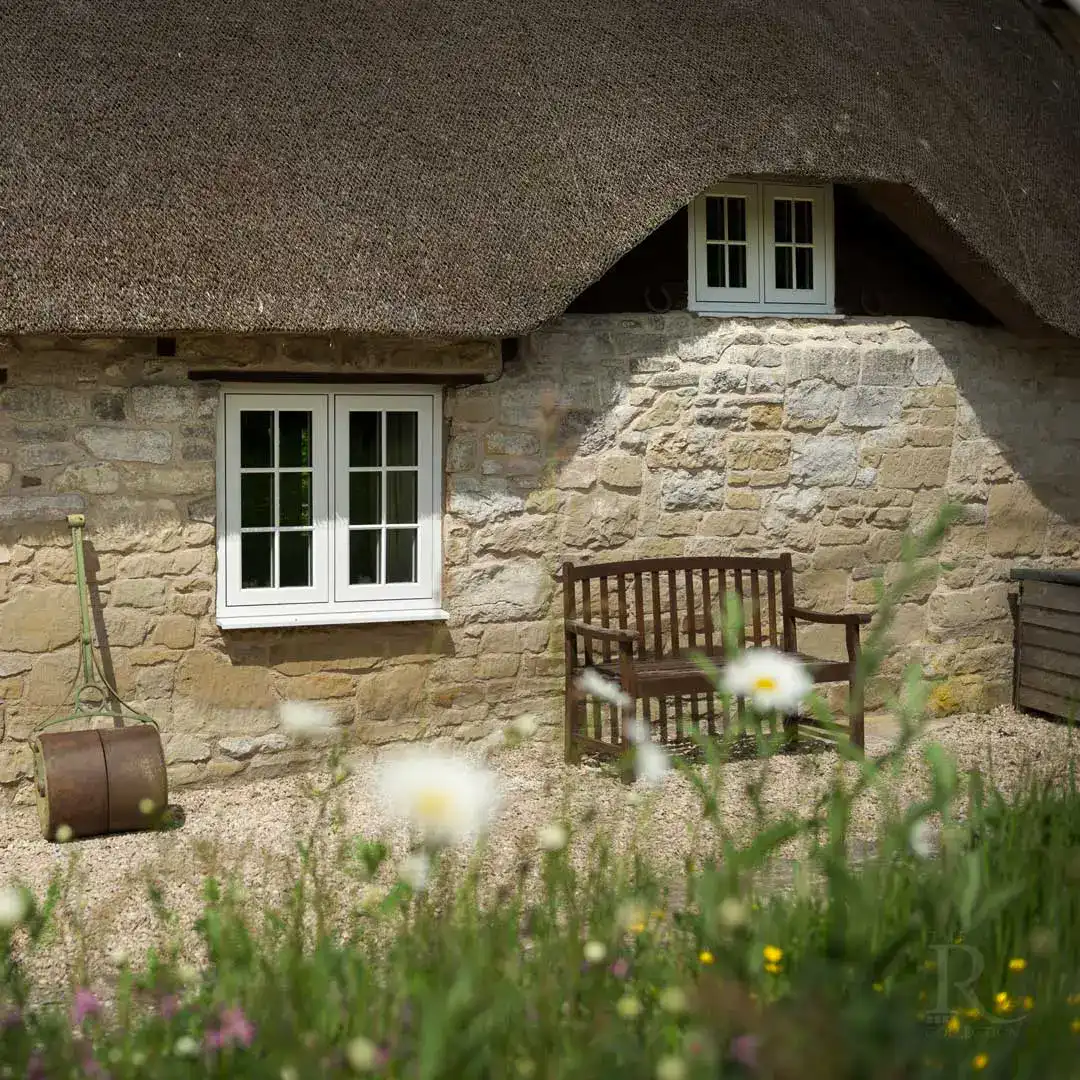
A Period Property with uPVC timber alternative windows
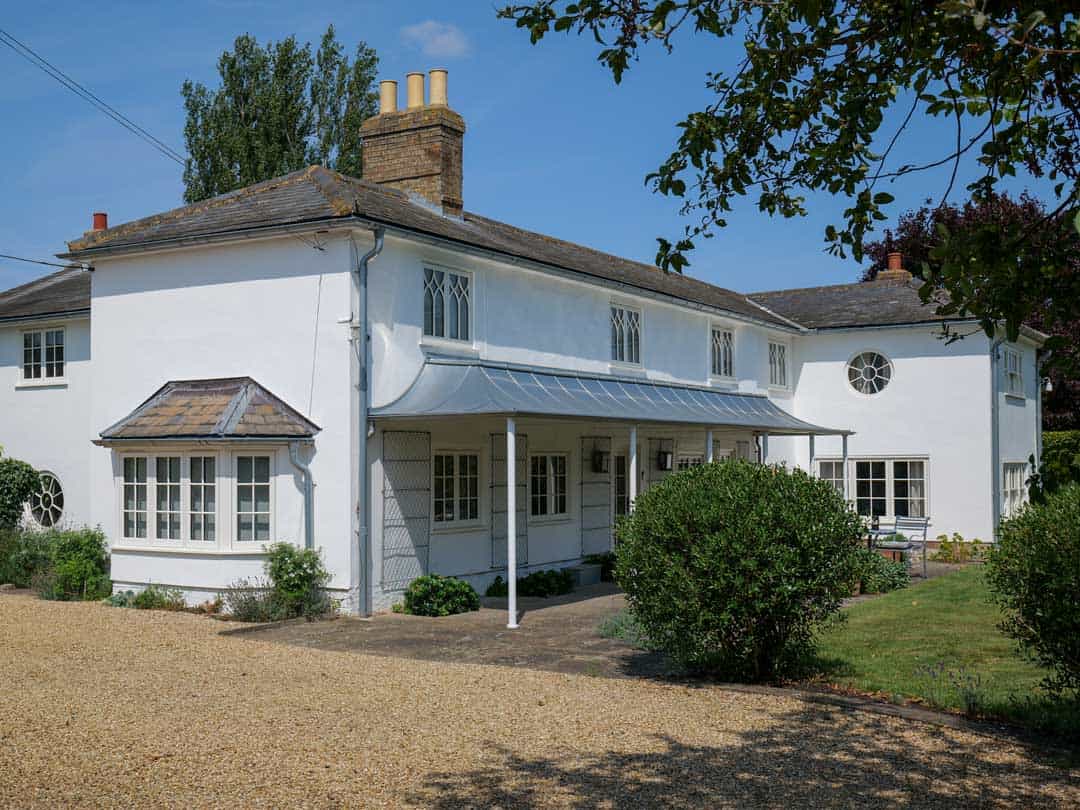
Cambridge Project
We were able to fulfill a highly bespoke brief for this property renovation closely following detailed plans provided by the Award Winning Interior Designer. The timber doors and windows were manufactured by our Partner George Barnsdale in order to achieve the desired result.
Choosing the Right Window Style
Material is only one part of the decision. The style of window can have an equally significant effect on appearance and practicality.
Depending on the property, suitable options may include:
- Flush casement windows
- Traditional casement windows
- Sliding sash windows
- Bay and bow windows
- Cottage-style windows
- Georgian-style windows
- Bespoke or unusually shaped windows
A window style should reflect the age and architecture of the building but it must also work for the people who live there. Ventilation, access, cleaning, furniture positions, safety, security and views should all be considered during the design process.
For example, changing the arrangement of opening sections may make a room easier to ventilate, but it can also alter the external appearance. Similarly, adding too many small opening lights can make an elevation look unnecessarily busy.
This is where an experienced design and survey process becomes particularly valuable. We can help customers balance visual authenticity with the practical requirements of modern living.
What About Timber and uPVC Doors?
The same principles apply to doors, although entrance doors often have an additional visual role.
A front or rear door may be a focal point for the property, and homeowners may place greater importance on its weight, feel, detailing, finish and ability to accommodate a particular design.
Timber doors offer extensive opportunities for customisation. Their proportions, panels, glazing, mouldings, colours and ironmongery can be specified to suit both the building and the customer’s preferences.
For the project featured here, the customer chose timber doors alongside uPVC windows. This allowed the doors to provide the material character and finish they wanted while the windows offered the convenience and performance they required.
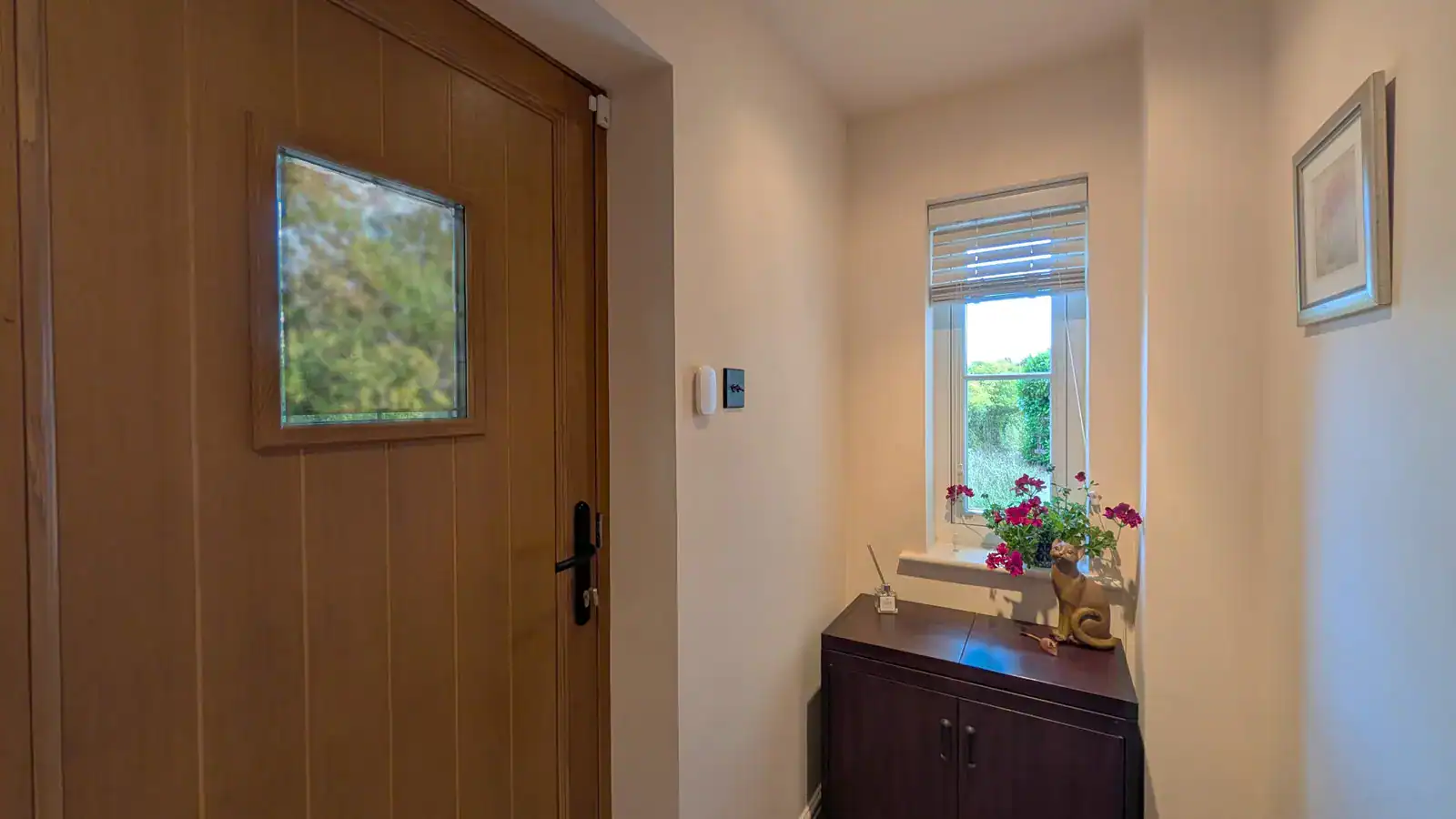
A Traditional Timber Front Door with Residence7 Timber Alternative Windows and French Doors in Clotted Cream throughout the home
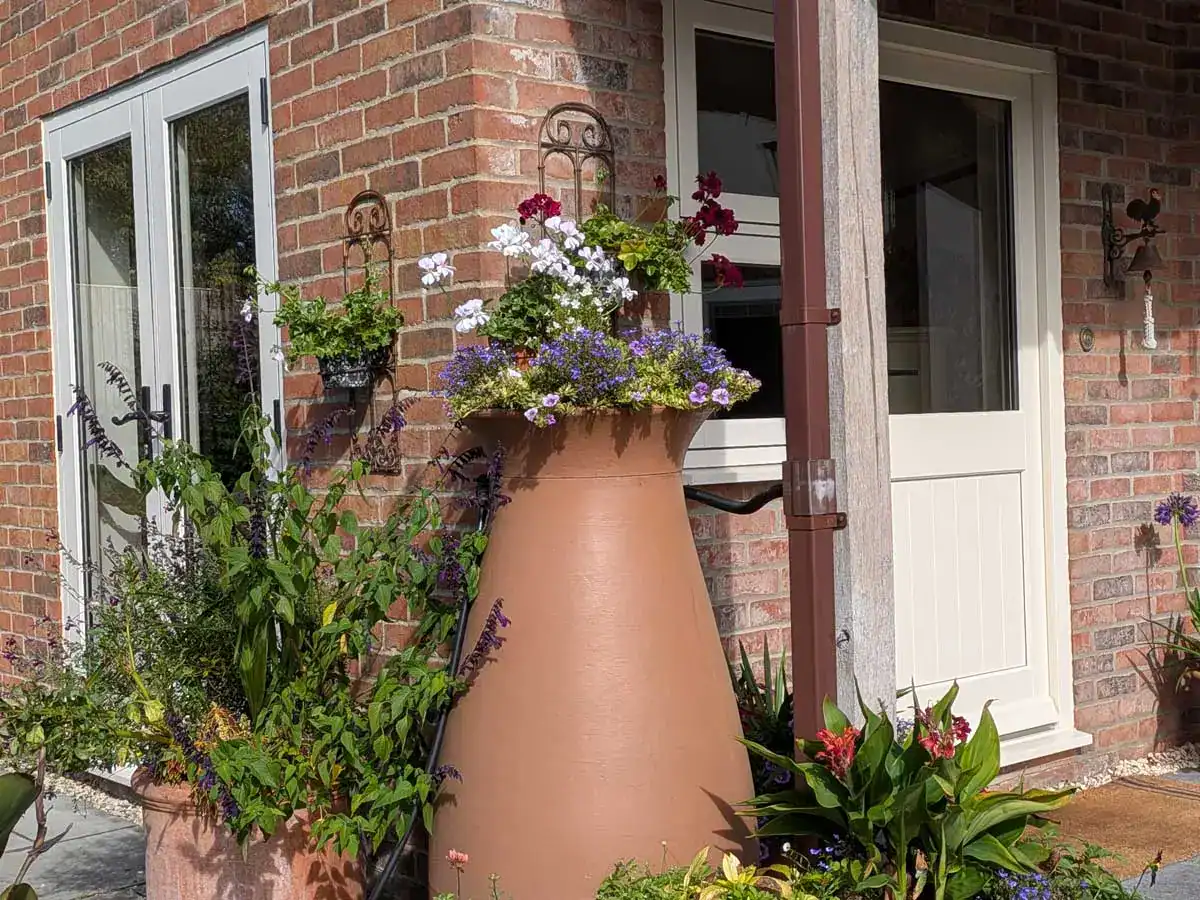
Coherent Design Choices
R7 in clotted cream alongside a perfectly colour matched timber back door
Why Colour Matching Matters
When timber and uPVC products are installed on the same property, an approximate colour match may not be enough.
Variations in tone, sheen and surface texture can become more noticeable when products are viewed side by side. Colours can also look different in direct sunlight, shade and changing weather conditions.
For this project, the timber door was colour matched to the clotted cream finish of the uPVC window. The match is so close that, even when the products are seen together, it is difficult to identify which is made from timber and which is uPVC.
Achieving this result required attention to more than the basic colour name. The warmth and depth of the cream, the character of the finishes and the relationship between the window and door all needed to be considered.
This demonstrates the breadth of colour options available and the standard of finish that can be achieved when high-quality timber and uPVC products are specified together.
The Reveal: Which Is Timber and Which Is uPVC?
If you thought both products were timber, you would not be alone.
The window is uPVC and the door is timber.
The uPVC window was selected for its combination of traditional appearance, thermal performance, security, weather resistance and low maintenance construction.
The timber door was chosen for its character, quality and the flexibility offered by bespoke manufacture.
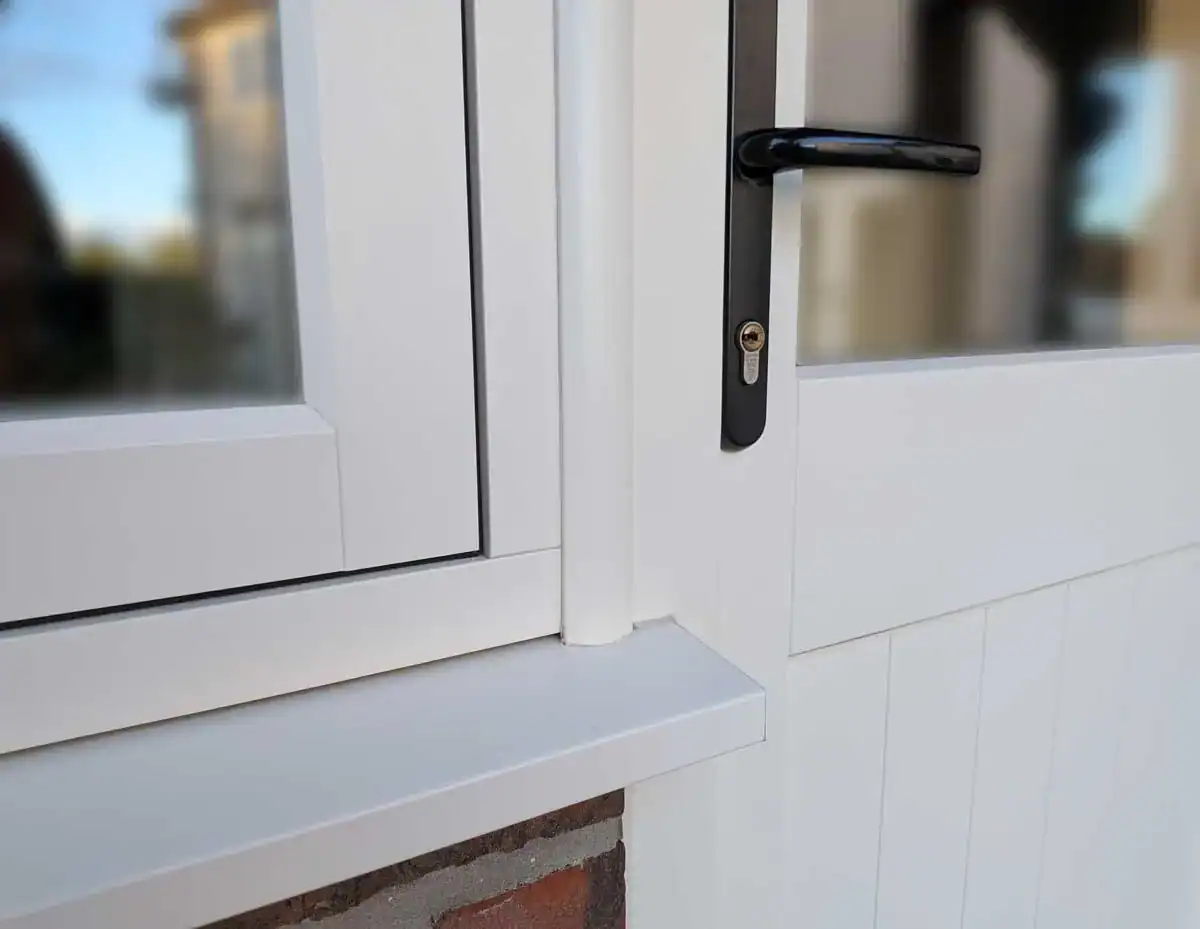
An important part of the customer’s brief was that the bottom edge of the glass in the timber door should line up perfectly with the bottom edge of the glass in the adjoining window. Achieving this required precise measuring and fitting, together with careful attention to the dimensions and proportions of the door during manufacture.
Rather than selecting a standard sized door and accepting a close approximation, the timber door was made to the correct proportions for the opening and designed to align visually with the window beside it. This level of control is one of the significant advantages of bespoke timber products. Dimensions, glazing positions and design details can be carefully considered in relation to the property and the surrounding windows, creating a balanced and cohesive result.
The timber door was also colour matched to the clotted cream finish of the uPVC window. When viewed together, the match is so successful that it is extremely difficult to tell that the products are made from different materials.
The close up image shows how convincingly the uPVC window complements the timber door. This result is not due to colour matching alone. The precise alignment of the glazing, the carefully considered proportions and the overall quality of both products allow the door and window to sit naturally together.
It is an excellent example of why choosing windows and doors should not be treated as a simple decision between timber and uPVC.
With bespoke manufacture, accurate surveying, precise fitting and careful product selection, both materials can work exceptionally well together while meeting the individual requirements of the property and homeowner.
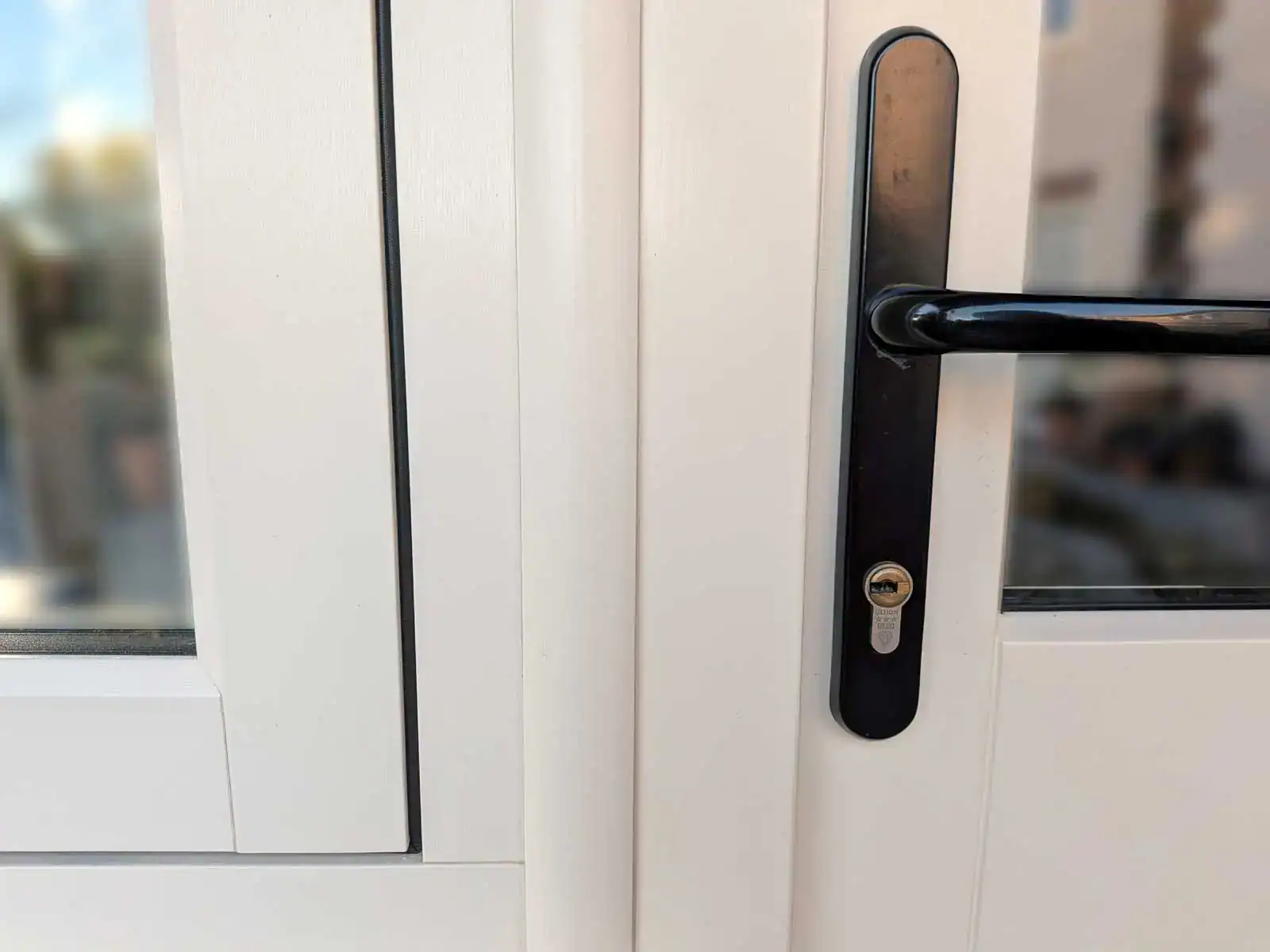
The Reveal!
The R7 window is a convincing match against the timber back door which has been perfectly aligned to the customer’s requirements and colour matched to the Residence 7 Clotted Cream window.
Timber or uPVC: Which Should You Choose?
There is no universal answer. The right solution is the one that responds to the architecture of your home, meets your practical priorities and provides an appropriate balance of appearance, performance, maintenance and cost.
Timber may be the most appropriate choice if:
Authentic material and detailing are priorities
The property has significant period character
Bespoke dimensions or unusual designs are required
You want extensive choice over colours, mouldings and detailing
Repairability and long-term maintenance are important considerations
Planning or listed-building requirements call for timber
You are comfortable with periodic inspection and redecoration
A high-quality uPVC timber alternative may be more suitable if:
Low routine maintenance is a priority
You want a more accessible initial price
Strong thermal and weather performance are important
You want a traditional appearance without regular repainting
The chosen system has suitable proportions and detailing for your property
There are no planning or heritage restrictions preventing its use
A combination of both materials may work well if:
Different openings have different practical requirements
You want statement timber doors alongside lower maintenance windows
The products can be closely coordinated in style, colour and detailing
You want to allocate your budget according to the importance of each opening
You would benefit from the individual strengths of each material
Expert Advice for Your Property
Whether your home needs timber, uPVC or a carefully planned combination of both, we can guide you through the options and explain the practical and aesthetic implications of each choice.

Choosing new windows and doors involves more than comparing two frame materials.
Your property’s age, style, location, exposure and existing details should all influence the recommendation. Planning considerations, glazing, security, ventilation, hardware, colour and installation quality are equally important.
Our many years of experience in high end timber windows and doors gives us a detailed understanding of traditional construction, period architecture and the small design decisions that determine whether a new product looks right.
It also helps us identify the uPVC alternatives that reach the standards we expect. We only offer products that we believe provide an appropriate combination of appearance, construction, detailing and performance.
Whether you are looking for traditional timber windows, timber doors, sash windows, casement windows or a high end timber alternative such as The Residence Collection, we can help you choose the right option for your home.
We are proud to have received many excellent reviews from happy customers. To see what local homeowners have said about working with us, take a look at our Google reviews.
We offer a free no obligation quote or you may prefer to book a visit to our showroom where we can show you a selection of the products and discuss the options that may be suitable for your home.